Rohingya Dying to Free Themselves Justice for All Burma Task Force 30 April 2026 SUMMARY: The…
Injustice to Vulnerable Rohingya Refugees
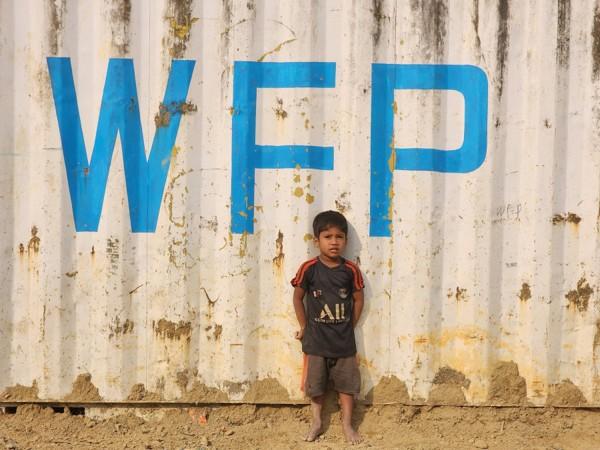
WFP Injustice to Vulnerable Rohingya Refugees
A photo essay on the Targeting and Prioritization Exercise, and why families on $7 a head must be allowed to choose what they eat.
Photographs: Abdullah Bawshore / Rohingya documentary photographer
A ration decided by category
As we all know, WFP, the World Food Programme, introduced a needs-based food approach, the so-called Targeting and Prioritization Exercise (TPE), in April 2026. It works like this: food-insecure families receive $7 per head; highly food-insecure families, $10 per head; and extremely food-insecure families, $12 per head.
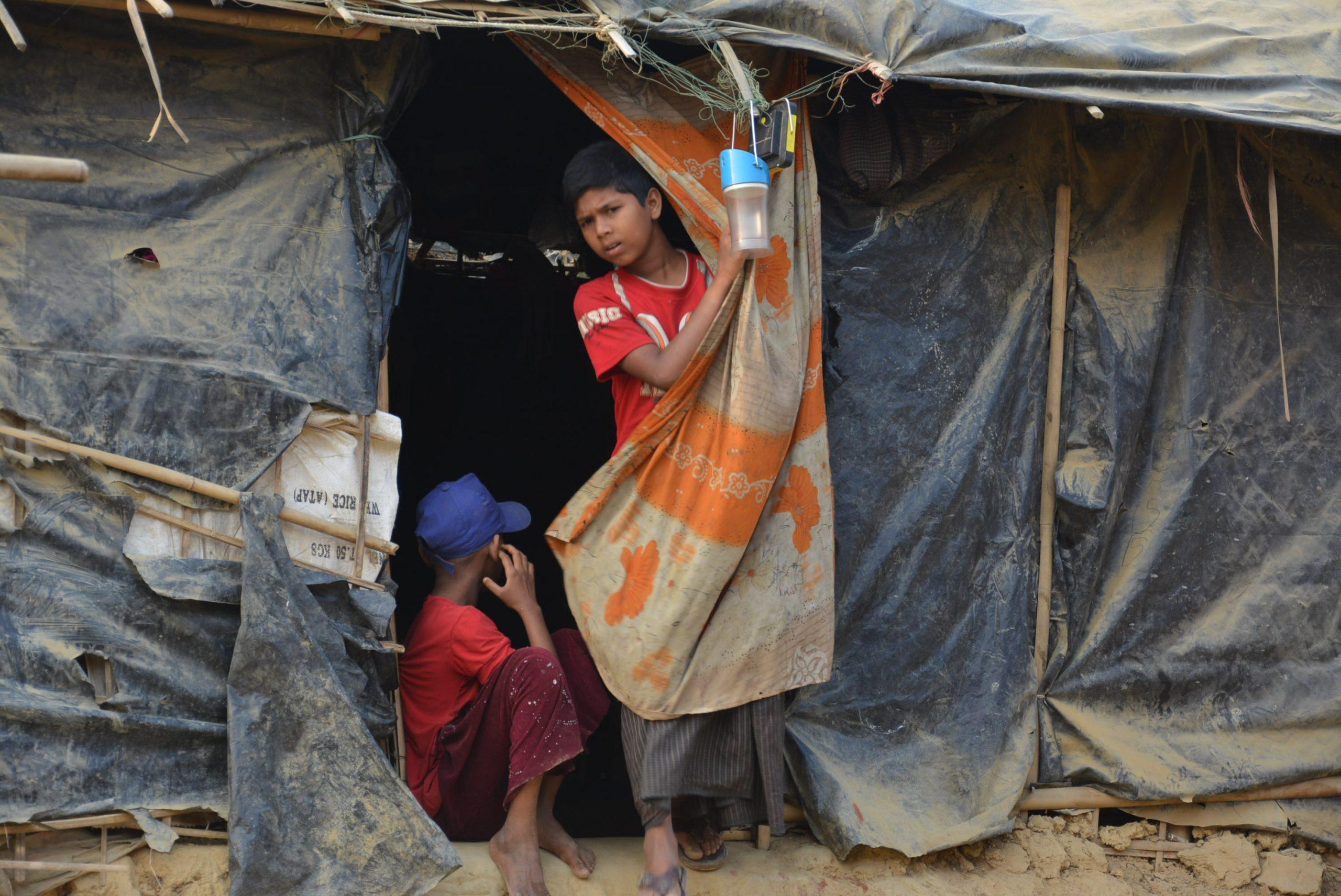
This has badly affected the Rohingya refugees living in the camps in Bangladesh. There has been a great deal of controversy around the categorization itself, and many people have complained about it, but nothing has changed.
Refugees cannot legally work
To be clear, Rohingya refugees are not legally entitled to work in Bangladesh. So how can anyone assume that every individual aged 18 and above is working and earning money?
It is true that a few community members volunteer in the NGO and INGO sectors, and some daily labourers work for very low wages. That does not mean every individual listed on a family attestation card is working and supporting the rest of the family.
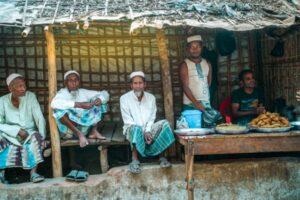
Students and new arrivals carry extra costs
Many students over 18, in both community-based schools and the Arabic education sector, still depend on regular financial support from their families — and those families are being counted as if these young people were earning.
Many new arrivals are still living in rented shelters outside the camps. They must pay monthly rent without a job or any source of income, along with private tuition fees for their children and many other expenses. They are badly affected as well.
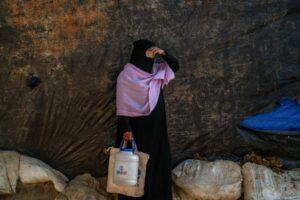
“It’s WFP rice”
I could give many realistic examples of how Rohingya refugees are being affected by the TPE. But most importantly, affected families should have a choice about what they buy with only $7. They could, for example, take less rice and some other groceries just to survive the month — not to live the comfortable life enjoyed by WFP and other NGO/INGO staff.
From my own experience as of last Sunday, the WFP food distribution points serving Camps 11, 12 and 18 are not allowing beneficiaries to take less rice. The reason given: it is WFP rice now, not Korean rice. Before, when the rice was Korean, families could take less. Now they cannot, because this rice belongs to WFP. What the hell is this?
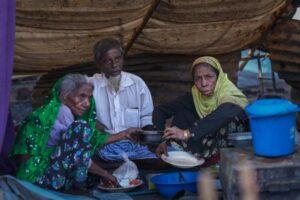
How does WFP think a Rohingya family can survive on only rice and oil? How are they supposed to buy other groceries for the rest of the month?
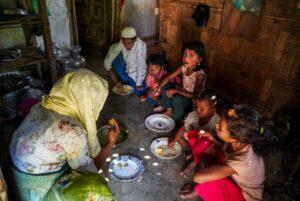
The right to choose
Rohingya families, especially those receiving $7 per head, should have the right to choose what they buy and what they do not. They should be able:
- To buy from their own list, not just rice and oil.
- To buy less rice and more groceries.
- To decide for themselves how to make a small ration last a month.
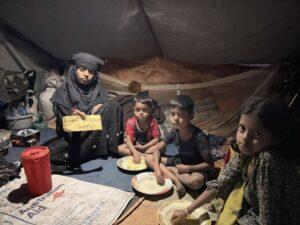
Survival should not depend on a label. Give families the dignity of choice.
#Rohingya

Related Posts