Rohingya are putting their lives at risk in search of a better life by Rohingya…
Rohingya Dying to Free Themselves
Rohingya Dying to Free Themselves
Justice for All
Burma Task Force
30 April 2026
SUMMARY: The unlivable conditions of genocide in Burma and underfunded refugee camps in Bangladesh has forced thousands of Rohingya to attempt an escape to freedom despite grave risks. 900 Rohingya perished at sea making this journey in 2025, and the rate in 2026 has so far doubled. A systemic, holistic solution is required to enable the Rohingya to return home to their lives as free citizens in Burma.
The United Nations’ refugee agency has recorded that in the first quarter of 2026, nearly 3000 Rohingya refugees have attempted to escape this region of Southeast Asia by sea, almost double the equivalent number in the first quarter of 2025.
The U.N. estimates that about 900 Rohingya, fleeing an unlivable life in their their struggle for freedom, perished at sea in 2025. In the first quarter of 2026, refugee voyages this year have increased by 90 percent from the equivalent period last year. Over 250 passengers, a mixture of Rohingya refugees and Bangladeshi migrants, have vanished this month after their boat capsized in the Andaman Sea, one of the main maritime avenues from the region.
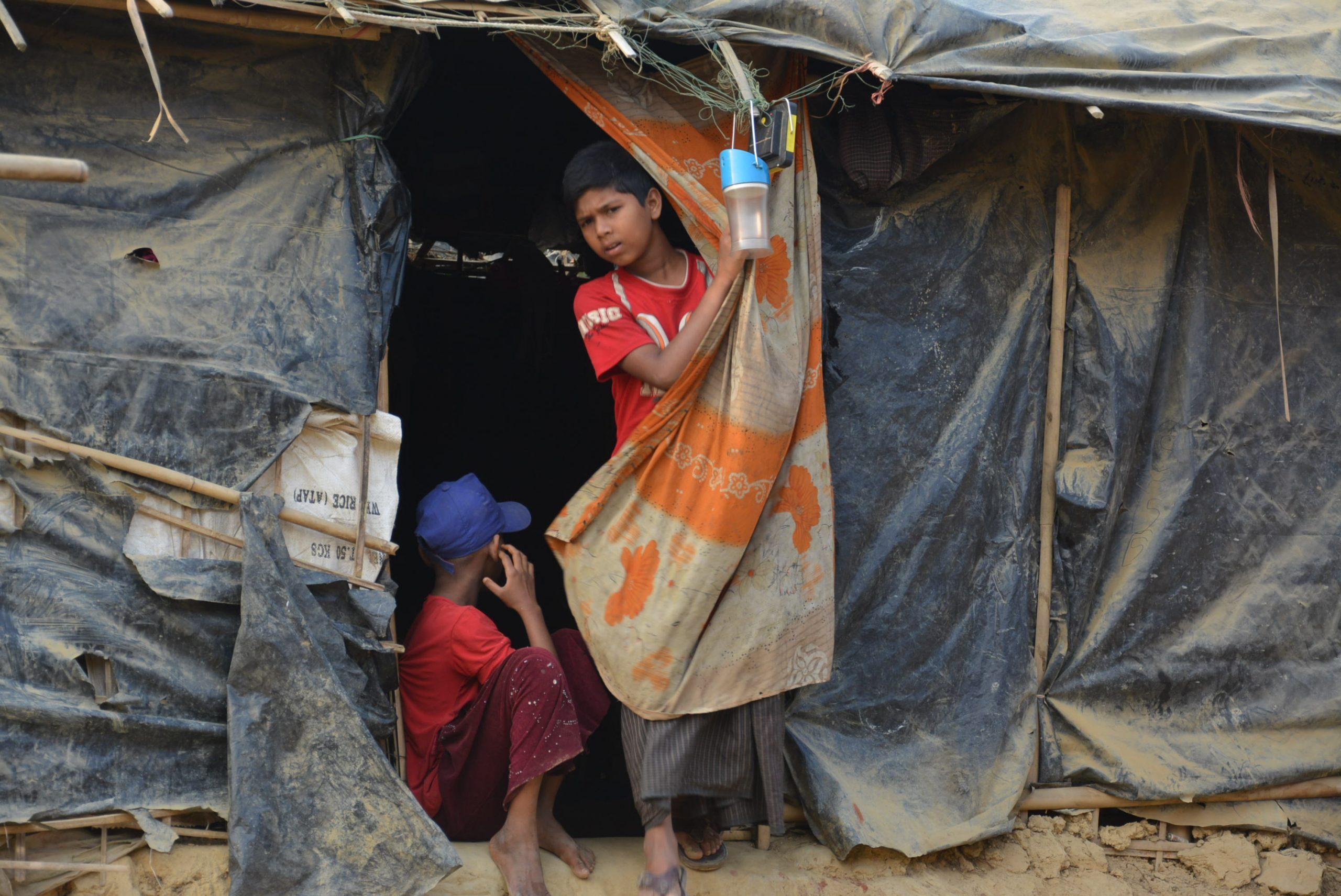
That so many people risk such a perilous journey reflects the desperation and plight of the Rohingyas’ situation, not only in their homeland of Arakan in Burma, but also in cash-strapped and congested refugee camps that suffer from a lack of infrastructure and support. Abdul Malik Mujahid, president of the Justice for All organization whose Burma Taskforce tries to alleviate and raise awareness of the issue, spent the early days of this past Ramadan at the Kutapulong camp in a show of solidarity with Rohingya refugees. He describes the difficult conditions that they endure: “Almost all shelters in the camps are 10 feet by 20 feet. It is not just one person but the whole family. Seven, eight, and in some cases, 15 people live there.” One such shelter contained three families separated only by makeshift curtains. This is for people who used to live in their own land in Burma with their own vegetable patch, pond, and domestic animals.
Bangladesh must be appreciated for sheltering 1.2 million Rohingya survivors of genocide, but this could be further improved by permitting them to work with freedom of travel and education. This systemic solution will improve living conditions in the camps until Burma is ready to allow the Rohingyas to return to their ancestral land. While they are secured from Burma inflicting genocide on them in the Bangladesh refugee camps, they cannot work, cannot get an education, and must remain in extremely crowded camps in 10×20-foot shelters that shelter often as many as 10 people. So they often flee on inadequate boats in a search for freedom and an opportunity to earn a living.
The United Nations has described the Rohingya as “the most persecuted minority in the world.” In Burma, both government military and Rakhine ethnic militants, who have attacked the Rohingya and slandered them as alien interlopers, subjecting them to massacres, rape, and, in the United Nations’ words “a textbook example of ethnic cleansing.”
Stark resource shortages for the refugees have been exacerbated by funding cuts from a strained U.N. that began this month. These cut down food rations from the equivalent of 17 dollars a month per person to 12 dollars per person, for the most vulnerable third of the camp’s residents, and 7 dollars per person for the rest.
“To escape this desperate situation, I am afraid, more and more Rohingya might risk their lives to escape abroad, where they may find work that can send money back either to the camps or to their remaining families in Burma,” says Mujahid. This point on the larger humanitarian crisis is often missed in a fixation on the traffickers who ship the refugees out. “There needs to be a systemic solution that doesn’t seem to be forthcoming,” Mujahid says. The root of the problem lies in the persecution and expulsion of the Rohingya from their homeland. “Allow these people to reclaim their land in Burma and live free.”

Related Posts