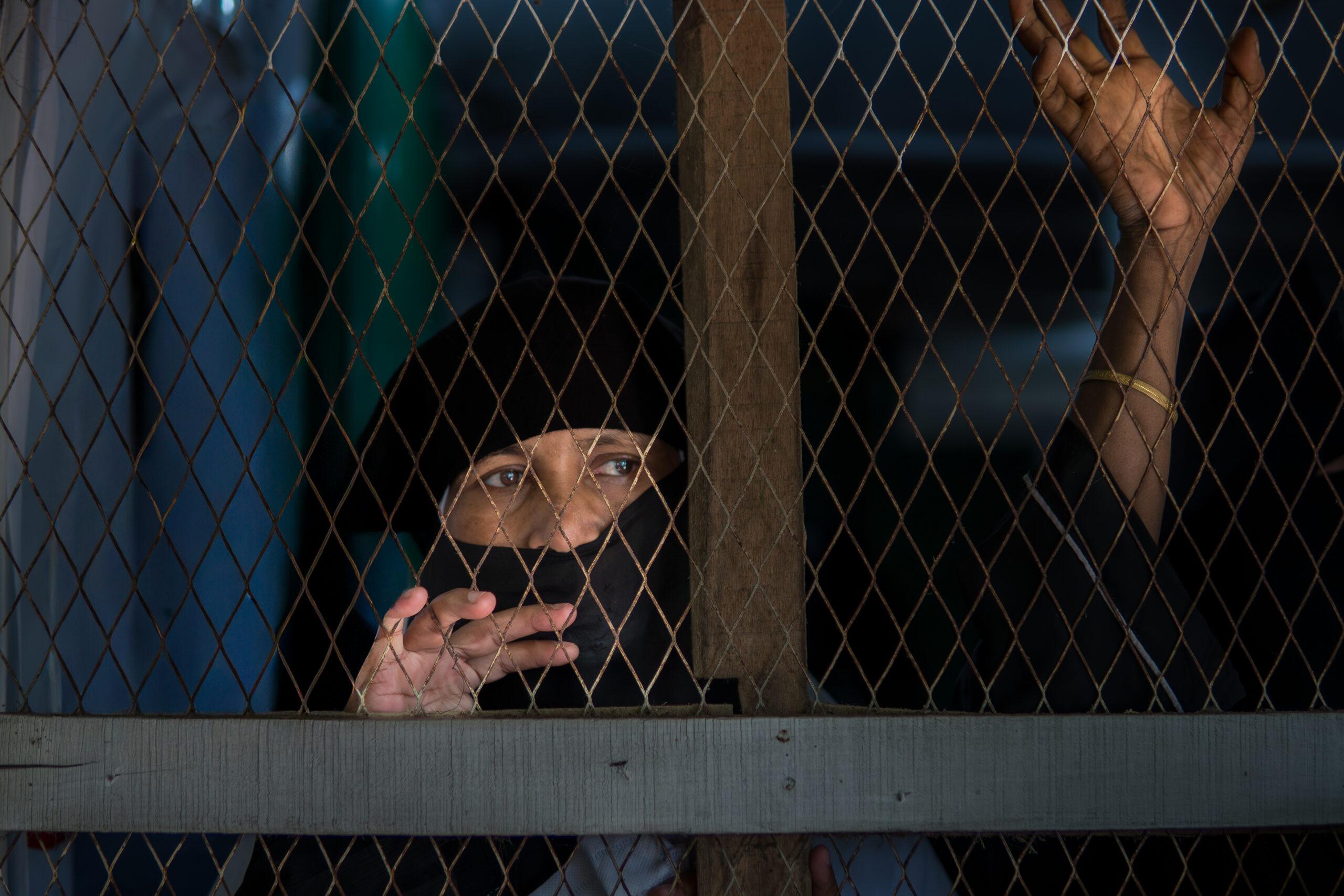
August 25, 2026On the ninth anniversary of the 2017 genocidal assault that forced over 700,000…
Welcoming Historic ICJ Judgment on Rohingya Genocide and Endorsing Calls for Concrete International Action
November 19, 2026
Justice For All upholds today’s historic judgment by the International Court of Justice (ICJ), which has found Burma (Myanmar) responsible for committing genocide against the Rohingya people.
Today’s ruling is an extraordinary development in international law and a long-awaited measure of justice for the Rohingya community that has endured decades of persecution, mass violence and forced displacement. For Rohingya survivors, this judgment represents years of courageous testimony, documentation and demands for accountability. It also recognizes the important principle that governments can be held legally responsible under international law for committing genocide.
Brought by The Gambia in 2019, the case concerns Burma’s military operations against the Rohingya, particularly the atrocities of 2016 and 2017. These included mass killings, widespread sexual violence, the burning of entire villages alongside the forced displacement of more than 700,000 Rohingya into neighbouring Bangladesh. The Court had already ordered provisional measures against Burma to prevent the commision of genocide against the Rohingya and preserve evidence. Six years later, this judgment renews urgency on the question of compliance and whether international legal protections are being translated into concrete safeguards. The judgment arrives when Rohingya civilians continue facing violence and restrictions on their most basic rights, as recent U.N. investigations have documented serious abuses by Myanmar’s military and the Arakan Army.
Legal question at heart
At the heart of the proceedings was a critical legal question: whether these atrocities were committed with the specific intent to destroy the community, in whole or in part; something considered alongside decades of systematic discrimination, restrictions on citizenship and movement, and the overall dehumanization of Rohingya.
Such intent need not be openly declared, and can be inferred from a systematic pattern of conduct where the evidence meets the demanding legal standard. The documented history of atrocities against Rohingya, together with survivor statements and international investigations, demonstrates why examining these patterns is fundamental to accountability.
In finding Burma directly responsible for committing genocide, the Court has reached an unprecedented conclusion in the history of international justice. The significance extends beyond Myanmar, establishing an important precedent for assessing state responsibility under the Genocide Convention, including in other proceedings currently before the ICJ, such as South Africa’s case against Israel.
A precedent for international accountability
Justice For All commends The Gambia for its leadership in bringing this case forward, the countries that supported the proceedings, and especially the Rohingya survivors whose advocacy made this pursuit of justice possible.
As a human rights organization, we continue to emphasize that governments, including United States, must uphold their obligations under international law, regardless of political interests or alliances.
The Gambia’s case demonstrate that the responsibility to prevent and punish genocide extends beyond the borders of the state where atrocities occur.
United States’s role must extend beyond recognition
United States deserves acknowledgement for its early recognition of the Rohingya genocide.
Justice For All, through its Burma Task Force, has advocated for Rohingya rights since 2017. Our work has included parliamentary testimony, public mobilization, engagement with Canadian parliamentary officials, and sustained calls for genocide recognition, sanctions and accountability. Justice For All collaborated with M. Arsalan Suleman, who leads The Gambia’s legal team in these proceedings, through public education and advocacy initiatives on the Rohingya genocide. In 2020, Justice For All honoured his contributions with its Advocate of the Year award.
However, recognition alone cannot deliver justice. The ICJ’s judgment is legally binding, but the Court has no independent mechanism to enforce it, and a finding of state responsibility does not result in the prosecution of Myanmar military leaders. Those responsible for atrocities must also face individual criminal accountability.
We therefore call on the United States Government to take the following measures:
- Support a new U.N. General Assembly resolution demanding Burma’s compliance with the Court’s findings, including concrete measures for international monitoring and follow-up, as outlined in the September 2026 legal roadmap.
- Coordinate further economic measures with international allies, including comprehensive sanctions against Burma’s oil and gas sector, its financial and commercial intermediaries, and the supply chains that continue to sustain the military.
- Support the establishment of a Rohingya Reparations Trust Fund and Register of Damages, while working with Bangladesh to strengthen education, survivor protection, citizenship rights and the conditions necessary for safe, voluntary and dignified return.
Over 1 million Rohingya remain displaced in Bangladesh, many living without citizenship, adequate education or a clear prospect of returning home safely. We join global calls for voluntary, safe and dignified repatriation, accompanied by guarantees of citizenship, freedom of movement and protection from further persecution. Lastly, the voices and priorities of Rohingya communities must remain central to every stage of implementing this judgment.
The true significance of today’s judgment is measured by what follows. Governments that have supported this case, including the United States, now have a responsibility to ensure that the ruling produces meaningful consequences. We remain committed to working alongside Rohingya communities and international partners to advance accountability, restore rights and ensure that this historic judgment becomes a foundation for lasting justice.

Related Posts